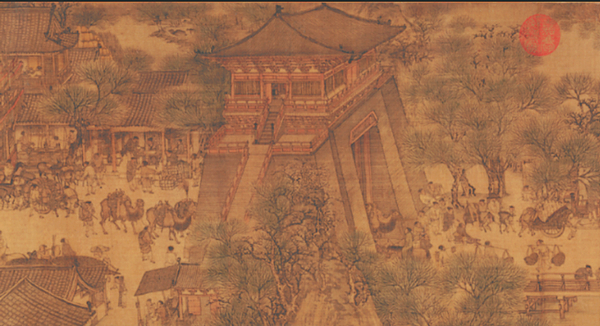
Song Ci
Introduction to Song Ci
Song Ci is a significant form of Chinese lyric poetry that gained prominence and flourished during the Song Dynasty (960-1279). Unlike traditional forms of Chinese poetry, Song Ci is characterized by its musical and rhythmic flexibility, which allows for varied emotional expression and a wide range of thematic exploration. This form of poetry is distinct in that each piece is written to a particular tune, known as Ci Pai, which dictates the tonal pattern, rhythm, number of characters per line, and number of lines. The Ci form provided poets with the creative liberty to convey personal sentiments and social commentary, distinguishing it from other poetic forms that preceded it.
Historical Background and Emergence
While the origins of Ci can be traced back to the late Tang Dynasty (618-907), it was during the Song Dynasty that it experienced unprecedented growth and development. The socio-political climate of the Song period, which favored cultural and intellectual pursuits, created fertile ground for the arts to flourish. The emergence of Ci during this time was also influenced by the integration of music and poetry, with many pieces being composed to existing melodies from popular songs and opera. This connection to music made Ci accessible and appealing, contributing to its widespread popularity.
Structure and Characteristics
Each Song Ci is composed according to specific Ci Pai, which are names of pre-existing tunes. There are around 800 known Ci Pai, and each provides a distinct structural framework for the poem. This results in a diversity of form and style within the genre. The form permits a versatile narrative flow, which can range from romantic and personal to political and philosophical themes. The linguistic richness of Ci is evident in its ability to articulate complex emotions through a combination of imagery, metaphor, and nuanced language.
Notable Song Ci Poets
The Song Dynasty produced a number of eminent Ci poets, each of whom contributed significantly to the form's evolution. Yan Shu, Fan Zhongyan, and Ouyang Xiu are some of the notable figures whose works have been revered for their artistic merit and depth of expression. Each poet brought a unique voice to the genre, reflecting the diversity of experiences and ideas present during the Song period. Their contributions have ensured that Song Ci remains an essential part of classical Chinese literature, celebrated for its lyrical beauty and profound insights.
Cultural Impact and Legacy
Song Ci has had a lasting impact on Chinese literature and culture. It is considered a pinnacle of classical Chinese poetry and is often studied and appreciated for its aesthetic and historical significance. The form's emphasis on emotional expression and its integration with music have influenced subsequent generations of poets and artists, both in terms of thematic exploration and stylistic innovation. Today, Song Ci continues to be celebrated in both scholarly and popular contexts, serving as a testament to the rich literary heritage of the Song Dynasty. Its enduring appeal lies in its ability to capture the human experience with elegance and grace, making it a timeless art form.
Song Ci in Modern Context
The influence of Song Ci extends beyond its historical origins, finding resonance in contemporary literature and media. Television dramas and films set in the Song Dynasty often incorporate elements of Ci poetry to evoke the cultural and artistic milieu of the period. These modern interpretations not only pay homage to the traditional art form but also introduce it to new audiences, ensuring that the legacy of Song Ci continues to thrive. Through ongoing scholarly research and artistic reinterpretation, Song Ci remains a vibrant and dynamic component of Chinese cultural identity, celebrated for its contribution to the literary canon and its reflection of the human condition.








